Cloud Server: A Flexible Infrastructure for Modern Workloads
How cloud-based servers help businesses handle applications, websites, and changing computing requirements
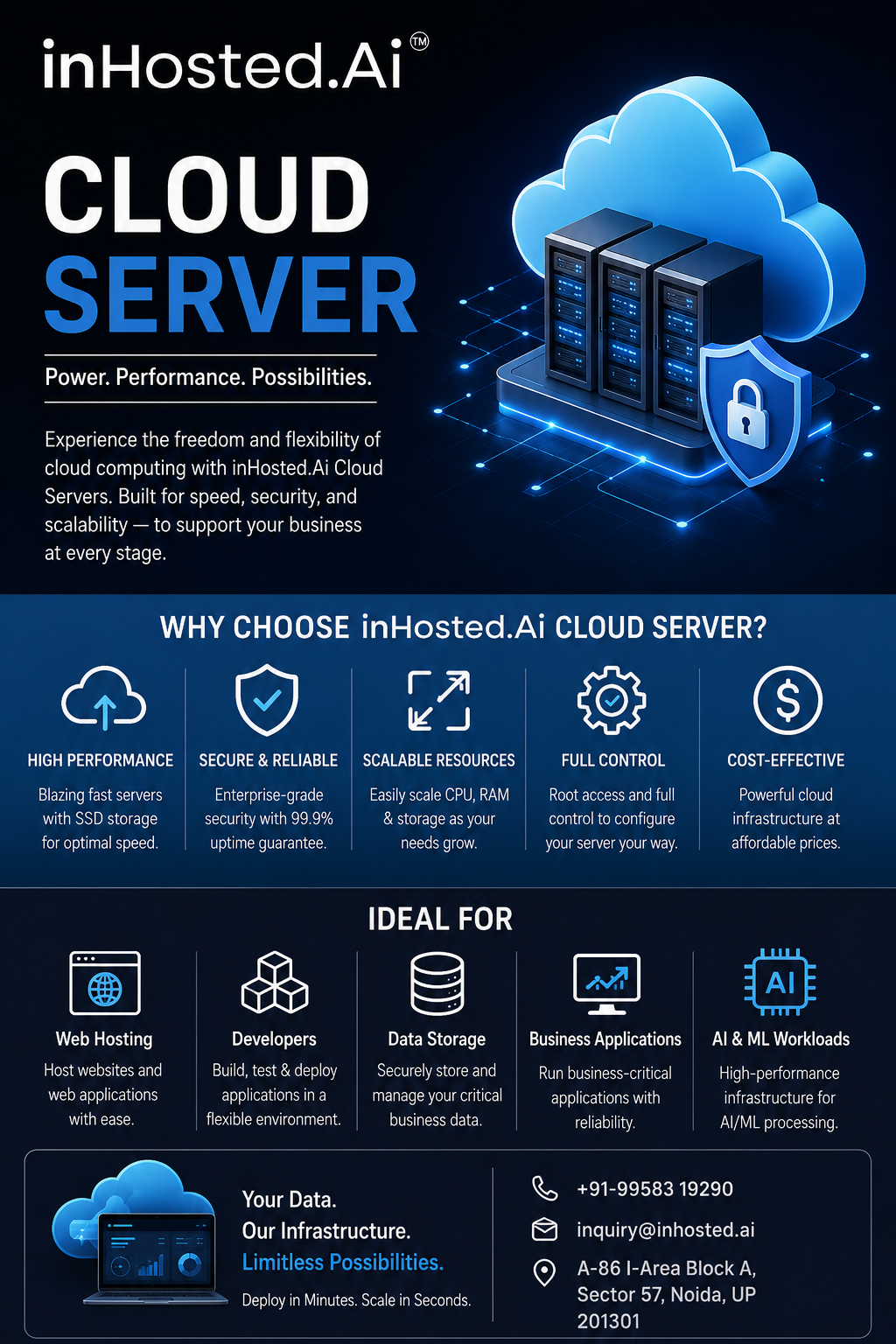
As businesses move more of their operations online, dependable computing infrastructure has become increasingly important. Websites, applications, databases, development environments, and digital services all require suitable server resources. A cloud server can provide a flexible way to support these workloads.
Cloud servers allow businesses to use computing resources through cloud infrastructure rather than relying entirely on physical hardware. This can be useful for organizations that need infrastructure capable of adapting as their requirements change.
Scalability is one of the major advantages of cloud-based infrastructure. A website or application may experience changing traffic and processing requirements over time. Having an environment that can accommodate these changes can help businesses manage growth more efficiently.
Performance also matters when selecting a cloud server. Different workloads require different combinations of CPU, memory, storage, and networking resources. Businesses should evaluate their workload requirements before choosing an infrastructure configuration.
Security and reliability should be considered alongside performance. Businesses need infrastructure that provides secure access and dependable connectivity for applications and data. A suitable cloud environment can help organizations create a more reliable foundation for their digital services.
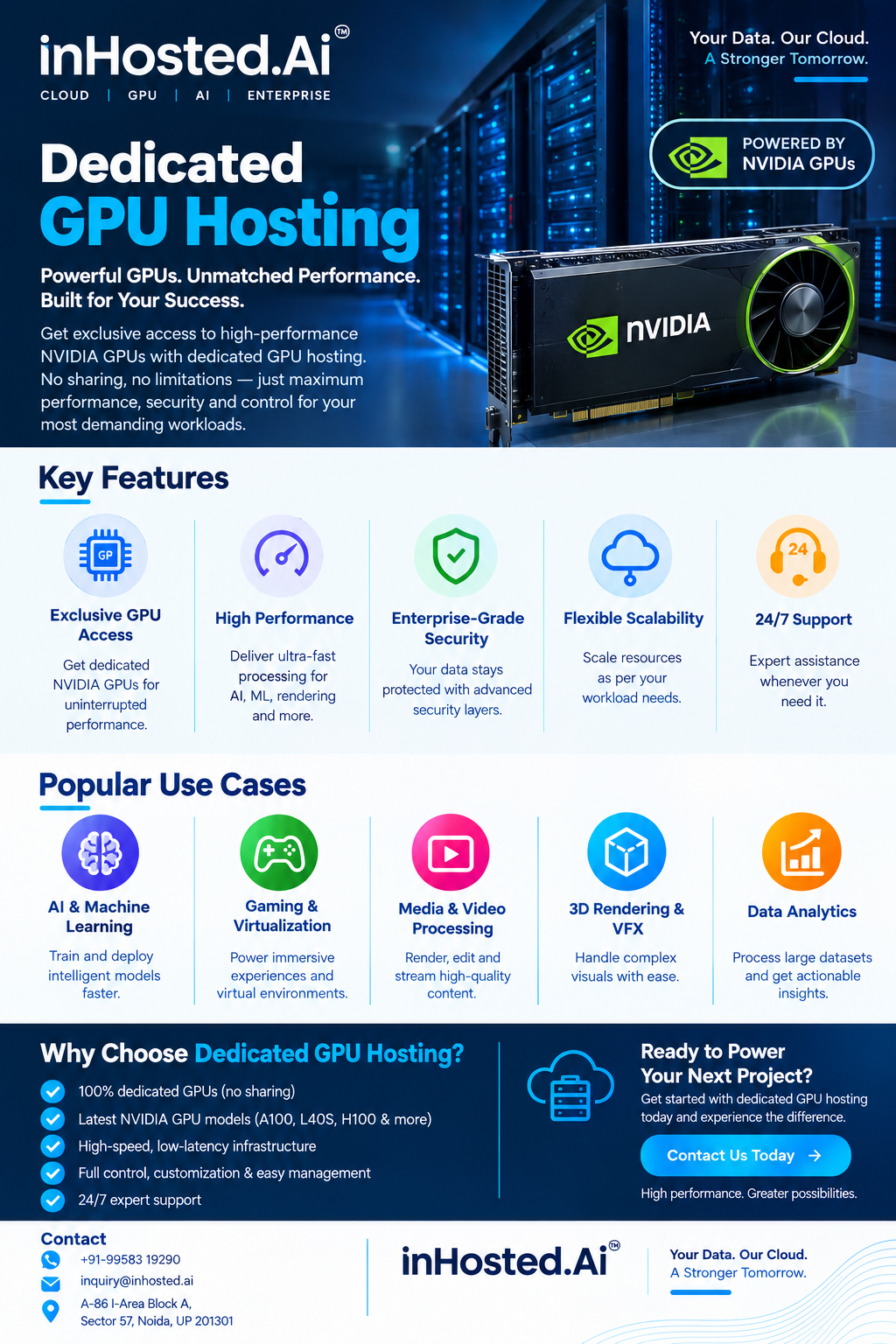
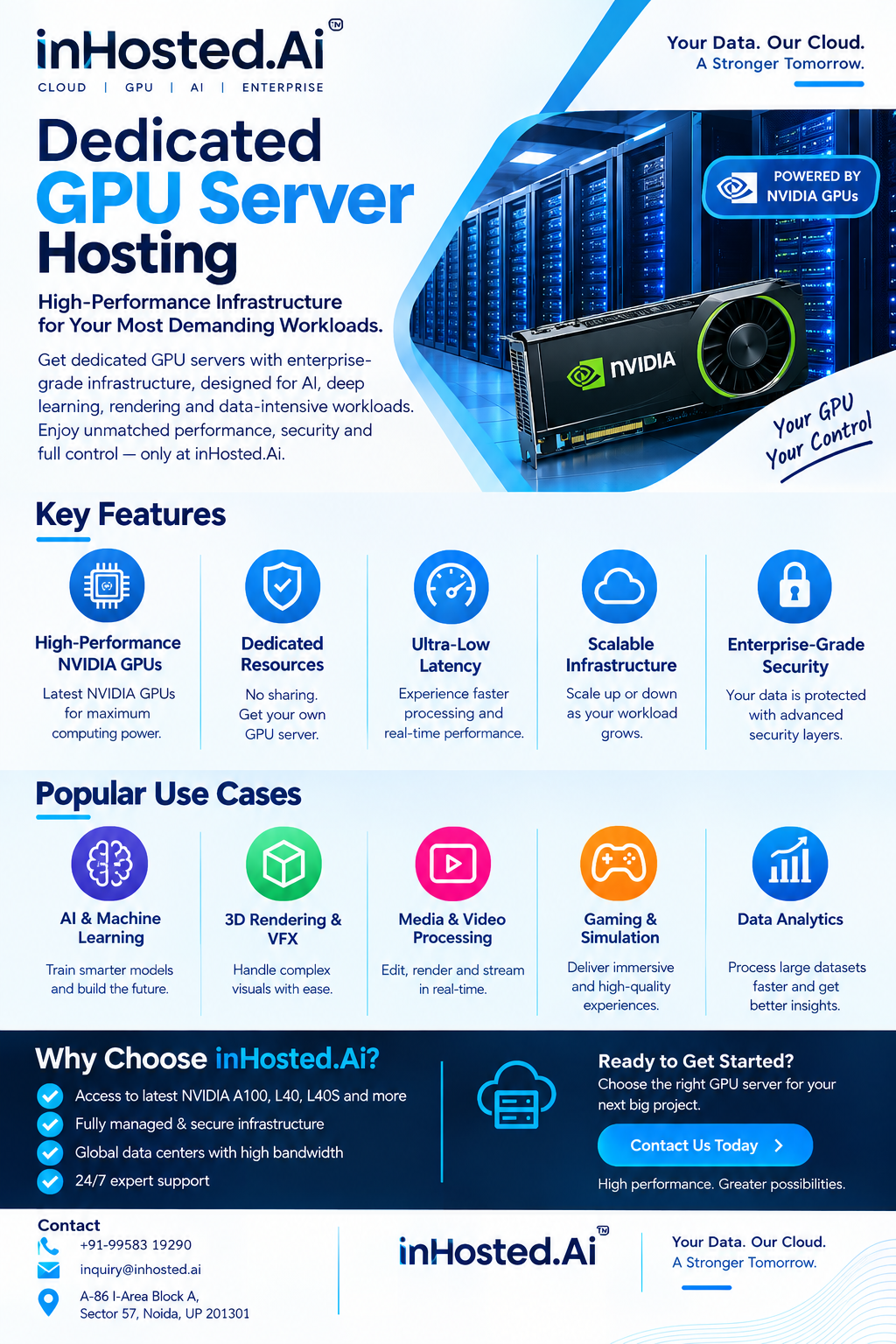
Inhosted.ai provides cloud and GPU infrastructure solutions for modern computing workloads. Its services can support applications, AI projects, development requirements, and data-intensive workloads that need flexible computing infrastructure.
Cloud servers can also benefit developers by providing environments for testing, deploying, and running applications. This flexibility can make it easier for teams to experiment with new projects and adjust resources as their requirements evolve.
Ultimately, selecting a cloud server is about finding infrastructure that matches the workload. Scalability, performance, reliability, security, and future growth should all be part of the decision.
For businesses and technology teams building digital services, cloud infrastructure can provide a practical and adaptable foundation for long-term computing needs.